
Ongoing Website Maintenance: Why It Matters : In today’s fast-paced digital world, a business website is no longer just an online presence but the heartbeat of customer engagement, brand representation, and sales growth. However, building a website is only the beginning—the real challenge lies in keeping it consistently optimized, functional, and secure. Ongoing website maintenance is often overlooked by businesses, but it is a critical part of ensuring that a website continues to perform at its best. Much like a car that needs regular servicing to run smoothly, a website requires continuous monitoring, updates, and adjustments to stay relevant in a competitive market. Neglecting this responsibility can lead to slow performance, broken features, outdated information, and even security breaches that harm both customer trust and business reputation.
One of the primary reasons ongoing website maintenance is so vital is security. With cyber threats becoming more sophisticated by the day, outdated software, plugins, or themes can create vulnerabilities that hackers exploit. Regular updates and security patches are essential to closing these gaps and safeguarding sensitive data such as customer information, financial details, or intellectual property. Additionally, search engines like Google prioritize websites that are safe, secure, and well-maintained, which means that consistent maintenance also has a direct impact on SEO performance. A secure, updated site not only provides peace of mind to business owners but also builds trust with customers who are more likely to engage with and purchase from a company they feel is reliable.
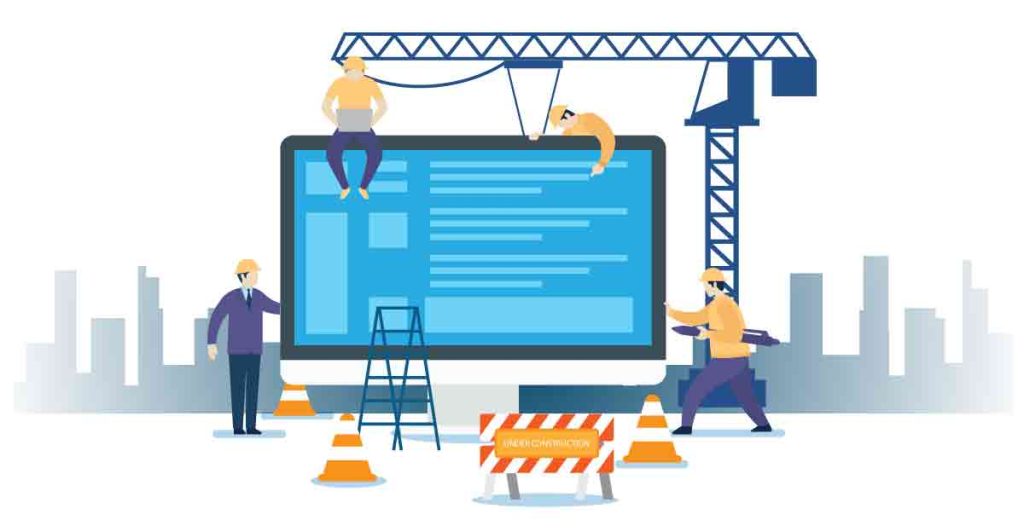
Beyond security, ongoing maintenance enhances user experience and overall website performance. Customers today have high expectations—they want websites that load quickly, function seamlessly across devices, and offer accurate, up-to-date information. Even the smallest glitches, such as broken links, outdated content, or slow load times, can frustrate visitors and drive them toward competitors. Regular maintenance ensures that these issues are identified and resolved before they impact user satisfaction. Furthermore, keeping content fresh and relevant shows visitors that the business is active, engaged, and committed to providing value. This not only increases the chances of retaining customers but also encourages repeat visits, ultimately boosting conversion rates and sales.
Finally, ongoing website maintenance plays a significant role in supporting long-term business growth and adaptability. As technology evolves and market demands shift, a static website can quickly become obsolete. Regular updates allow businesses to integrate new features, enhance design elements, and improve functionality in line with changing trends. For example, adding new integrations, optimizing for mobile responsiveness, or improving accessibility features ensures that the site remains competitive and future-proof. Without consistent maintenance, companies risk falling behind their competitors, losing valuable traffic, and missing opportunities for growth. By treating website maintenance as an investment rather than an expense, businesses secure a digital foundation that not only supports their current goals but also prepares them for future success in an ever-changing online landscape.
follow Henova Tech Icon on :