
Why Integration Matters in the Digital Age
Your website is more than just a digital storefront — it’s the central hub of your brand’s online presence. Yet, many businesses fail to maximize its potential because their CRM and marketing tools operate in isolation. Integrating Customer Relationship Management (CRM) systems and marketing automation tools transforms your website into a powerful, data-driven ecosystem.
With a well-integrated setup, your website can automatically capture visitor data, track customer behavior, and sync leads in real time. This seamless flow of information ensures that every interaction is timely, relevant, and personalized — the foundation of a modern customer experience.
For instance, integrating HubSpot, Salesforce, or Zoho CRM allows your website to store and organize contact information, track interactions, and generate insights automatically. Combine that with marketing tools like Mailchimp, ActiveCampaign, or Marketo, and your business gains the ability to nurture leads with precision — sending tailored messages and offers based on customer activity.
The Benefits of a Unified CRM and Marketing System
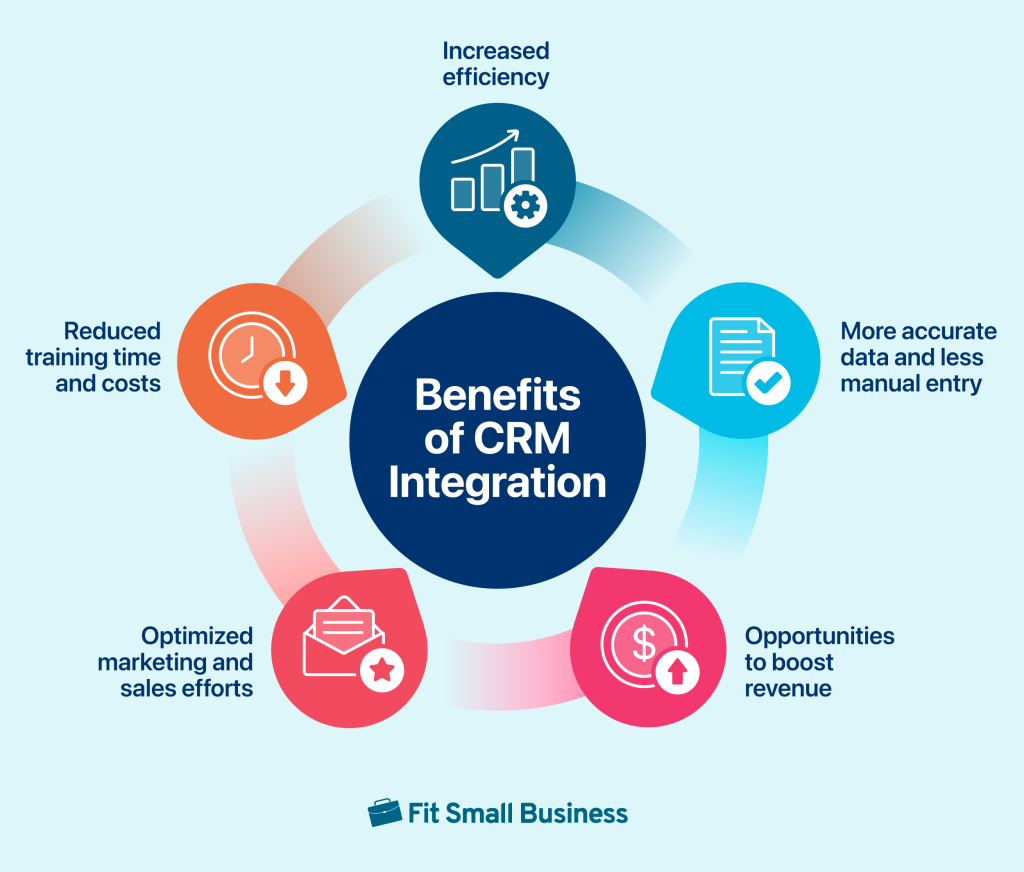
When CRM and marketing systems work together, they create a unified growth engine that enhances every part of your business. The first major benefit is streamlined lead management. Every inquiry or form submission on your website is automatically recorded, scored, and categorized in your CRM. This ensures that no lead goes unnoticed and that your marketing team can launch personalized follow-ups instantly.
Another major benefit is data-driven decision-making. Integrated analytics allow you to see exactly which campaigns are driving conversions, what content resonates most with visitors, and where prospects drop off in the sales funnel. With this level of insight, marketing teams can make smarter investments and continuously improve campaign performance.
Additionally, integration drives automation and consistency. Tasks like data entry, email sequencing, and lead scoring can all be automated, allowing your teams to focus on strategy rather than repetitive work. It also creates a seamless handoff between marketing and sales — ensuring that every lead receives a consistent brand experience throughout their journey.
Key Steps for Effective Integration
Successful integration begins with defining clear goals. Are you trying to improve lead capture, automate campaigns, or gain better visibility into customer data? Knowing your objectives helps you choose the right tools and structure your integration effectively.
Next, select compatible technologies. Most website platforms — including WordPress, Shopify, and Webflow — support direct integration with CRM and marketing software. For example, a WordPress plugin for HubSpot can automatically sync form submissions and user behavior to your CRM.
After selecting your tools, map your data flow. Determine how data should move between your website, CRM, and marketing automation system. For instance, when a visitor fills out a form, that data should automatically populate your CRM, trigger a welcome email, and assign the contact to a nurturing campaign.
Don’t forget to test thoroughly. Run small pilot campaigns to ensure data syncs correctly, and monitor how leads move through your workflows. Finally, prioritize compliance and security by adhering to data privacy laws such as GDPR and CCPA. Always collect consent for data usage and make your privacy policy easily accessible.
Building a Scalable System for Long-Term Growth
Once your CRM and marketing tools are connected, focus on scaling and optimizing your setup. As your customer base grows, your systems should evolve to handle more complex workflows and richer data. Consider integrating AI-powered analytics, chatbots, or predictive lead scoring features to further enhance your marketing efficiency.
To maintain performance, schedule regular audits of your integrations. Check for data discrepancies, outdated tags, and workflow redundancies. Review your analytics dashboards to identify which strategies are performing well — and which need fine-tuning. Continuous testing and improvement ensure your website remains a dynamic, conversion-focused asset.
Above all, remember that integration isn’t just about technology — it’s about aligning your teams and processes. When sales, marketing, and IT collaborate around shared data and goals, your business can deliver more personalized, efficient, and impactful customer experiences.
Integrating CRM and marketing tools into your website doesn’t just make your operations smarter — it makes your business future-ready. By centralizing customer data and automating engagement, you’ll build stronger relationships, drive more conversions, and create a foundation for long-term growth.
Follow Henova tech icon